


Mastering the Drop Cycle: Your Daily Banana Routine
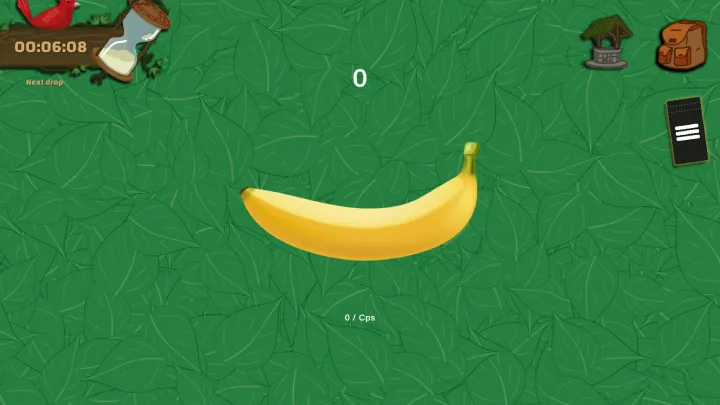
Banana is an economic idle game where the core "gameplay" revolves around a simple, timed mechanic: clicking the static banana image to receive a free, tradable digital item. The secret to maximizing your profit and inventory lies not in complex mechanics, but in perfecting the timing and understanding the drop rates.
The Timing Protocol
The game operates on a dual-timer system to ensure players can always receive drops, regardless of their schedule:
- The Three-Hour Cycle: This is the most consistent and frequent drop. You can click the banana and receive a randomized item every three hours. Maximizing your total yield of bananas (both common and rare) requires setting alarms or integrating the clicking into your daily routine. Since the total number of bananas acquired correlates with your chances of acquiring a rare item, consistent three-hour clicking is the primary driver of success.
- The Eighteen-Hour Cycle: You are guaranteed a drop once every eighteen hours if you miss your three-hour cycles. This serves as a safety net, ensuring that players who are away from their computers can still collect items daily. This cycle is less optimal for maximizing volume but is essential for maintaining inventory flow.
Key Tip: Do not treat this as a traditional game. Treat it as a resource management task. The maximum number of drops you can secure in a 24-hour period is eight. Missing even one three-hour cycle represents a lost opportunity to roll for a rare item.
Understanding Drop Types
When you click, you receive one of two main item categories:
- Common Bananas: These are the vast majority of drops. They are worth the minimum market price and serve primarily as trade currency or liquidity. Accumulating a large volume of common bananas is necessary for buying low-tier rare items or quick cash flow.
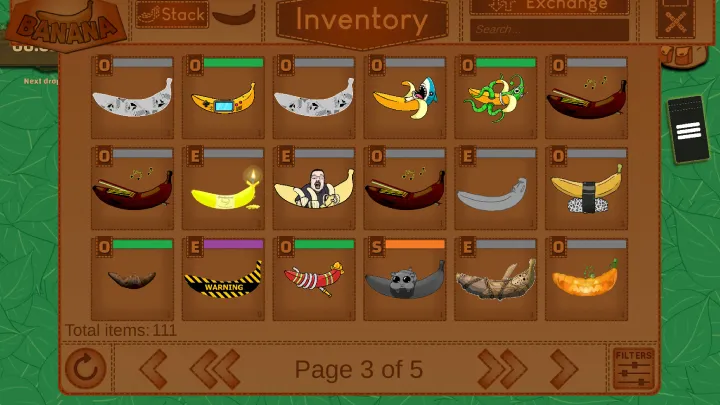
- Rare Bananas (The Varieties): These are the goal. They include all unique cosmetic variants (e.g., Pixel Banana, Glitch Banana, Golden Banana). The rarity of the drop is determined at the moment of the click, making every click an economic lottery. Their value is determined by their scarcity and aesthetic appeal to the community.
Navigating the Market: The Economy of Scarcity
The true complexity of Banana lies in its integration with the external marketplace. Mastering this environment requires understanding scarcity, predicting market movements, and knowing when to hold and when to sell.
The Rarity Tiers and Value
Not all "Rare" bananas are created equal. The market recognizes distinct tiers of scarcity, which directly translate to price:
- Uncommon/Rare (Common Variants): Items dropped at a low, but consistent rate. Their prices are volatile and generally range from a few cents to a couple of dollars. These are good items for beginners to trade and flip for minor profit.
- Mythic/Legendary (Mid-Tier Variants): These have a substantially lower drop rate and often carry recognizable unique features (e.g., color shifts, added textures). These items hold their value better and are a reliable investment for medium-term holding.
- Super Rare/One-of-a-Kind (The High-Value Giants): This category includes items with extremely limited supply, sometimes only existing in quantities of 100 or less, or items with unique visual characteristics. Their value is driven by collector demand and can reach astronomical heights. Acquiring one of these is the ultimate market jackpot.
Pro-Trader Tip: Always check the quantity available for an item on the marketplace before pricing it. A high price is meaningless if the supply is vast. True value is in low circulating supply.
Strategies for Buying and Selling
Your success depends entirely on your ability to predict short-term and long-term market trends:
- Mass Volume Selling: For your daily common bananas, sell them in large stacks or bundles at slightly below the current market floor price. This is a strategy for creating quick liquidity, which you can then use for market arbitrage.
- Flipping Arbitrage: Monitor the marketplace for price discrepancies. Players often list rare items hastily at a price lower than their true market value (known as "undercutting"). Buying these items instantly and relisting them at the established market price is a reliable way to generate profit.
- The HODL (Hold On for Dear Life) Strategy: The best strategy for rare and legendary items is often holding them. As the game continues to gain new players, demand for established rare items often increases, pushing the price floor higher over time. Only sell your most valuable items when a new, more rare set is announced, or if the price hits a pre-determined, highly profitable ceiling.
- Event Prediction: The market is highly reactive to developer announcements. When a New Banana Variant Drop is announced, the community floods the marketplace to generate funds. This often causes the prices of common items to dip slightly, making it the perfect time to buy common Bananas in bulk for future use.
Community and Development: The Meta-Game
The game's updates are not traditional gameplay patches; they are adjustments to the aesthetic and the economy. Understanding the developers' focus helps you predict the next market shift.
Predicting New Variants
The developers have historically released new items that play on established community jokes, memes, or digital art trends. Paying attention to official social media channels and community forums for subtle hints is essential. For instance, if the developers hint at a "high-resolution" update, it might signal the release of a new, highly detailed banana variant, making all current textured items instantly more valuable due to their old aesthetic.
Understanding the Developer's Role
The developers play a careful role in managing the scarcity. They control the following:
- The Introduction of New Items (Inflation): New items increase the total available value in the marketplace.
- The Rarity Settings (Scarcity): Adjusting the drop rate of new items prevents market saturation and maintains high top-end value.
- Quality-of-Life Updates (Stability): Patches focusing on server stability or marketplace speed are vital for ensuring the underlying economy remains functional and trustworthy.
The ongoing updates are a dialogue between the developers and the market. The developer’s goal is to maintain engagement by constantly introducing new variables to the trading environment, thus the "game."
Final Checklist for Maximum Banana Yield
To achieve the highest success in the Banana economy, follow this final checklist:
- Set the Alarm: Maintain your three-hour click cycle religiously to maximize your chances of a rare drop.
- Separate Inventory: Never list your newly acquired rare bananas immediately. Hold them for at least a week to allow the initial market chaos to settle and the true price floor to establish.
- Use Common as Currency: Treat common bananas as your daily income. Use them to buy undervalued rare items, not to inflate your bank account.
- Follow the Whale Trail: Observe the trading patterns of the largest collectors. If a high-volume trader suddenly starts buying up a specific variant, it often signals a belief in that item's future scarcity, making it a good time to invest.
- Do Not Over-Invest: Remember the inherent risk of a purely speculative market. Only trade what you are willing to lose, as the value is entirely based on community sentiment.
By mastering the rhythm of the click, the volatility of the marketplace, and the psychology of scarcity, you can successfully navigate the world of Banana and turn a simple static image into a surprisingly profitable digital venture.