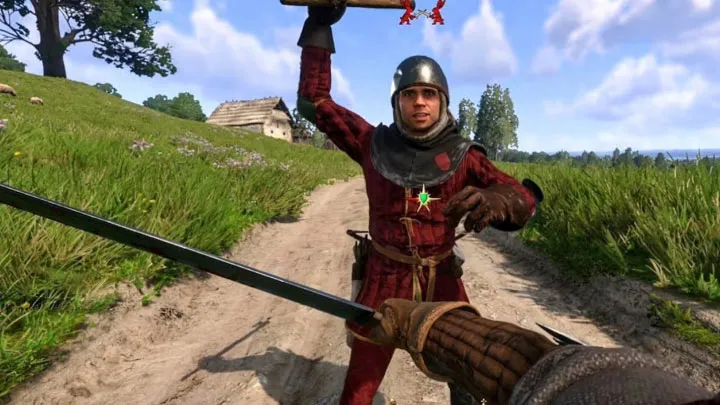








Kingdom Come: Deliverance II promises to take players back to the richly detailed world of medieval Bohemia, building on the strengths and weaknesses of its predecessor, Kingdom Come: Deliverance. Developed by Warhorse Studios, the game is expected to provide players with an immersive experience that blends historical accuracy with engaging gameplay. However, one of the most significant challenges facing the developers is striking a balance between realism and player engagement. This article will explore this issue in depth, analyzing how the commitment to historical accuracy can impact gameplay mechanics, narrative pacing, and overall player enjoyment.
Introduction to Kingdom Come: Deliverance II
A Return to Bohemia
Set in the early 15th century, Kingdom Come: Deliverance II invites players to explore the tumultuous landscape of medieval Bohemia. Following the events of the first game, players will once again navigate a world filled with political intrigue, social class struggles, and the constant threat of violence. The game aims to build on the foundation established by its predecessor, which was celebrated for its depth and realism, but also critiqued for its mechanical shortcomings and pacing issues.
The Vision of Realism in Gameplay
The original Kingdom Come: Deliverance garnered attention for its commitment to realism. From its historically accurate settings to its complex combat mechanics, the game set itself apart from more fantastical RPGs. However, this dedication to realism sometimes led to parts of the game feeling slow or tedious. As the sequel approaches, the challenge lies in maintaining that commitment to authenticity while ensuring that players remain engaged.
Historical Accuracy as a Double-Edged Sword
The Appeal of Authenticity
Players were drawn to the realism of the first installment, which emphasized a grounded narrative and a rich, immersive world. The attention to detail in armor, weapons, and social customs provided a convincing backdrop for the story. This authentic representation of medieval life served to enhance the player experience, making them feel more connected to the world around them.
Risks of Overemphasis on Realism
While historical accuracy adds depth, it can also pose a risk if it overshadows gameplay. For instance, if players are expected to adhere to strict survival mechanics—such as eating, sleeping, and managing inventory—these elements can become cumbersome. In Kingdom Come: Deliverance II, developers must ensure that the pursuit of realism does not come at the expense of player enjoyment or narrative flow.
Player Patience and Engagement
Engaging players in a historically accurate setting requires careful consideration of pacing and how realistic mechanics are integrated. Players typically appreciate a level of authenticity that enhances the narrative but may lose interest if gameplay becomes overly complicated or tedious. Balancing these elements is crucial for maintaining momentum.
Balancing Gameplay Mechanics with Immersion
Combat Systems Evolution
The combat system in Kingdom Come: Deliverance was often praised for its realism but criticized for being unintuitive. In the sequel, the developers must refine and simplify these mechanics to make them more accessible while preserving the sense of authenticity.
Improved Combat Mechanics
- Fluidity of Combat: Streamlining combat controls can make fights feel more dynamic and responsive while retaining realistic physics.
- Varied Combat Styles: Incorporating multiple combat styles allows players to choose their preferred approach, whether it’s swordplay, archery, or stealth.
Introduction of Alternative Gameplay Elements
Incorporating features such as crafting, blacksmithing, and alchemy can further broaden the gameplay experience. These mechanics should enhance immersion and allow players to feel a part of the world, rather than being sidelined by overly complicated systems.
Crafting and Customization
- Dynamic Crafting System: A more intuitive crafting system allows players to create and modify equipment, enhancing their connection to the world.
- Player Skill Customization: Implementing skill trees can provide players with opportunities to specialize in various disciplines, encouraging varied playstyles.
Resource Management and Survival Elements
While resource management and survival mechanics can add layers of realism, they must be integrated thoughtfully. Players should feel challenged without being bogged down by tedious micromanagement.
- Balanced Survival Mechanics: Implementing a framework where survival elements enhance immersion but do not detract from enjoyment can encourage exploration.
- Adaptive Difficulty: Offering different difficulty levels for resource management can cater to both hardcore and casual players, allowing them to customize their experience.
Narrative Depth and Player Choice
Expanding the Storytelling Approach
In Kingdom Come: Deliverance II, narrative depth should remain at the forefront. Players should feel their choices impact the world around them significantly. The decisions they make should resonate throughout the game, altering relationships and circumstances.
The Role of Choice
The original game’s moral choices had varying degrees of impact, which contributed to the player’s experience. Expanding on this in the sequel can allow for more nuanced storytelling.
- Branching Story Paths: Implementing multiple story arcs based on player choices enhances replayability and engagement.
- Character Relationships: Dynamic relationships with NPCs that evolve based on choices can deepen immersion.
Balancing Consequences with Enjoyment
While players appreciate meaningful choices, the consequences should be rendered in a way that enhances the overall experience rather than complicating it. Developers should introduce a framework where players can explore different paths without feeling punished for making a choice.
Environmental Interaction and Exploration
Richly Designed Open World
The world of Bohemia should feel alive and interactive, encouraging exploration and engagement. Unlike traditional RPGs, players should sense environmental dynamics that resonate with the historical setting.
Engaging World Design
- Interactive Environments: Areas should allow for various interactions—whether to gather information, craft items, or engage in commerce.
- Hidden Secrets: Incorporating secrets, lore, and collectibles can incentivize exploration and provide deeper insights into the world.
Navigating the Open World
The challenges of traversing a realistic open world require a balance between immersion and player navigation. While realism is essential, players should also feel empowered to explore without feeling adrift.
- Clear Landmarks: Identifying physical landmarks can guide players through the world effectively.
- Quest Integration: Intertwining quests and exploration can create a seamless experience, making players feel like they’re part of the narrative.
Community Engagement and Feedback Loops
Involving the Community
As Kingdom Come: Deliverance II develops, engaging with the player community can provide valuable insights that shape development priorities. Feedback should be welcomed and considered for refining gameplay mechanics, narrative elements, and world-building.
Iterative Feedback Mechanisms
- Open Beta Testing: Conducting beta tests that involve community participation allows developers to identify concerns before launch.
- Player Forums: Creating dedicated spaces for player discussions can illuminate key concerns and aspirations, fostering a transparent development process.
Building Trust and Anticipation
Engaging the community and being transparent about development can foster trust and anticipation. Players who feel involved often become long-term advocates for the game.
The Future of Kingdom Come: Deliverance II
Establishing a Lasting Legacy
Looking ahead, the game must build on its successes while introducing exciting new features that resonate with fans and newcomers alike. Developers should continuously consider how to create a legacy that reflects a commitment to quality and engagement.
- Sustained Engagement: Regular updates and expansions can keep the community invested long after the initial release.
- Building an Adaptive Ecosystem: Encouraging continued player feedback not only supports the game but opens avenues for future titles.
Embracing Technological Advancements
Leveraging advancements in technology can enhance gameplay such as graphics, AI, and environmental effects. As the industry evolves, these improvements can elevate player experiences significantly.
- Realistic AI Behavior: Complex NPC interactions and AI can make the world feel more dynamic and responsive to player actions.
- Visual Fidelity: Enhanced graphics and detailed environments can immerse players further into the medieval setting.
Conclusion
Kingdom Come: Deliverance II stands at a crossroads, facing the unique challenge of balancing realism with player engagement in a richly detailed open world. By refining gameplay mechanics, enhancing narrative depth, and fostering community engagement, the developers have the potential to create a captivating experience that resonates with both fans and newcomers. As they continue to develop this title, balancing authenticity with enjoyable gameplay will ensure that Kingdom Come: Deliverance II not only honors its predecessor but also expands upon the legacy in meaningful ways.